ITC Management
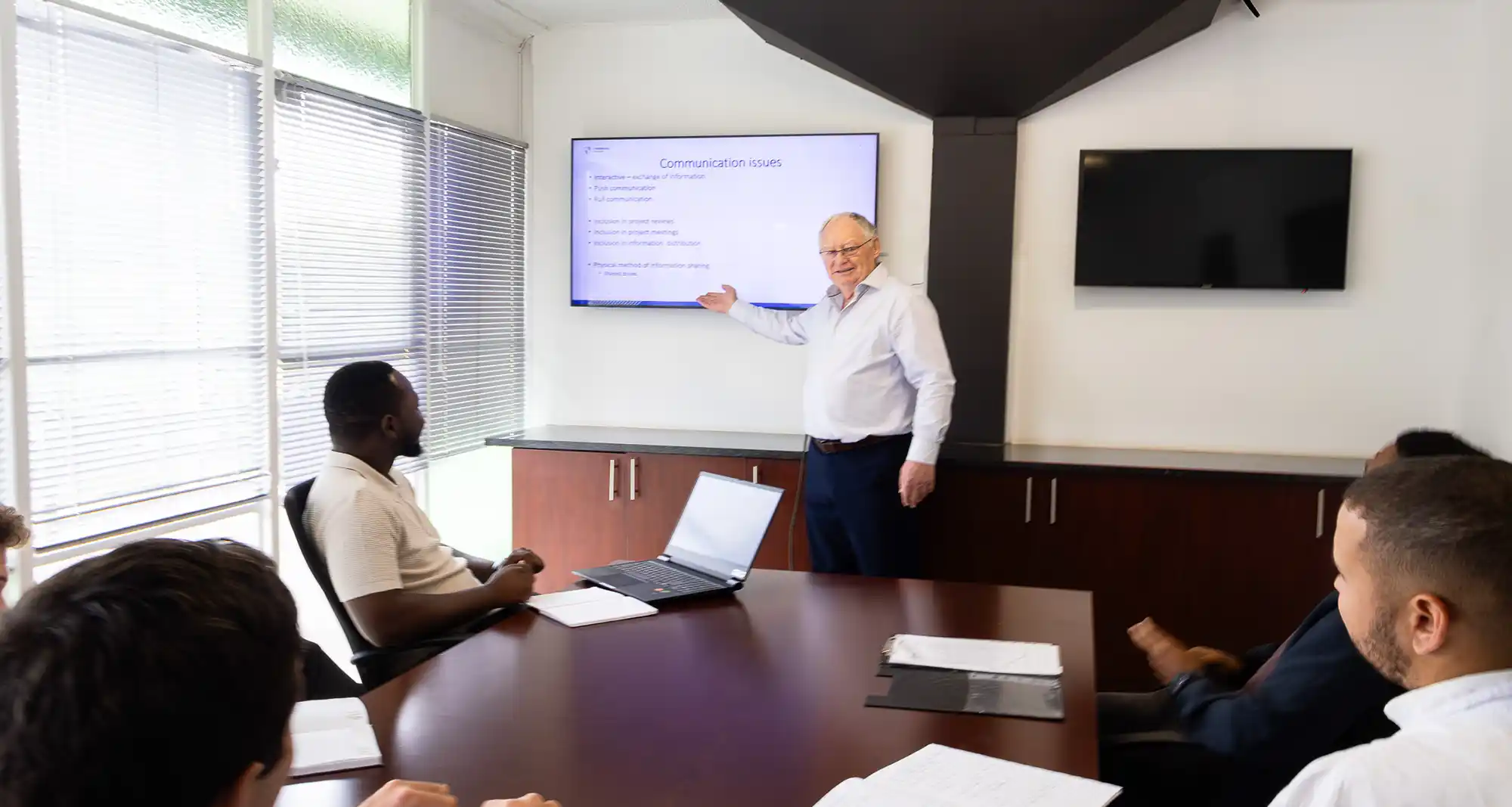
In fulfilling their duty of care, directors must take prudent and reasonable steps regarding IT governance. While legislation alone is insufficient, international guidelines such as COBIT and ITIL serve as valuable tools for assessing an organisation’s information security. Given the increasing reliance on I.T.C., it is essential that all levels of management, from the CIO to team leaders, grasp the importance of ensuring that I.T.C. not only functions effectively but also aligns with and supports organisational strategy.
 Share
ShareCourse Info
What you’ll learn
Governance
- Directors’ responsibilities regarding I.T.C.
- Understanding the current IT landscape and future developments
- Strategy mapping with practical exercises
- IT risk management with hands-on activities
- The role of internal audit in I.T.C.
- The role of external auditors in I.T.C.
Performance Management
- Developing an IT strategy that supports company objectives
- Setting IT objectives and measures
- Initiatives for implementing the IT strategy with practical exercises
- IT budgeting fundamentals
System Development
- Identifying and understanding problems
- Scoping system intent with practical exercises
- System design principles
- Requests for proposals
- IT outsourcing and contracting considerations
- Responsibilities in system implementation (IT vs business)
- Testing and rollout planning
IT Project Management
- Creating a work breakdown structure
- Identifying resource requirements
- Using a responsibility assignment matrix
- Introduction to project management software with practical exercises
- Ensuring timely and budget-compliant implementations
- Scope management strategies
IT Operations
- Planning and organising IT functions
- Acquiring and implementing IT solutions
- Delivering and supporting IT services
- Monitoring and evaluating IT performance
IT Security
- Physical security measures
- System security protocols
- Staff monitoring and control mechanisms
- Identifying security vulnerability indicators
Course details
This course aims to provide delegates with:
- An understanding of how the I.T.C. strategy supports business strategy.
- Knowledge of the interactions between various I.T.C. disciplines and the business.
- Insight into the critical roles that I.T.C. and business must play for stability and reduced risk.
- Practical tools to achieve their strategic goals.
- An appreciation of how internal audit can positively impact systems.
This course offers
Online
In-Person
On Site
Contact us for a personalised quote

A course by

You get:
Organisational Benefits of Attending
Organisations will gain clarity on roles and responsibilities, enabling them to structure objectives and targets effectively. This will ensure that efforts are not merely theoretical but lead to tangible outcomes. Additionally, it will help direct capital expenditure toward activities that yield the best return on equity and effort.
Personal Benefits of Attending
- Understanding the big picture: Gain insights into how I.T.C. impacts organisational dynamics.
- Informed Decision-Making: Equip yourself with knowledge on I.T.C. interactions to make impactful decisions.
- Career Path Clarity: Assist those unsure of their career trajectories within I.T.C. to focus on areas that align with personal goals.
- Role Clarity: Enhance understanding of individual roles and responsibilities within I.T.C. governance.
Who this course is for:
This course is designed for:
- Mid to senior-level managers and executives
| Course Date | DELIVERY METHOD | COURSE FEE | SECURE YOUR SPOT |
|---|---|---|---|
| 18 May 2026 | ONLINE | R1 050,00 | Book Now Team Booking |
| 10 Jun 2026 | ONLINE | R1 050,00 | Book Now Team Booking |
Course Content
1 Discussion Points | 8 hours total length
About this course
This course equips participants with the knowledge and practical skills required to manage Information, Technology, and Communications (I.T.C.) effectively in alignment with organisational strategy. Delegates will gain a clear understanding of IT governance, risk management, and the critical interactions between IT functions and business operations. Through interactive workshops and practical exercises, participants will learn to develop IT strategies, set objectives and measures, manage projects, and oversee system development and IT operations. By the end of the program, attendees will be able to make informed decisions, enhance IT performance, strengthen security, and ensure that IT initiatives deliver tangible value to the organisation.